
Dengue Fever in Florida: Why the 2026 Case Surge Deserves Your Attention
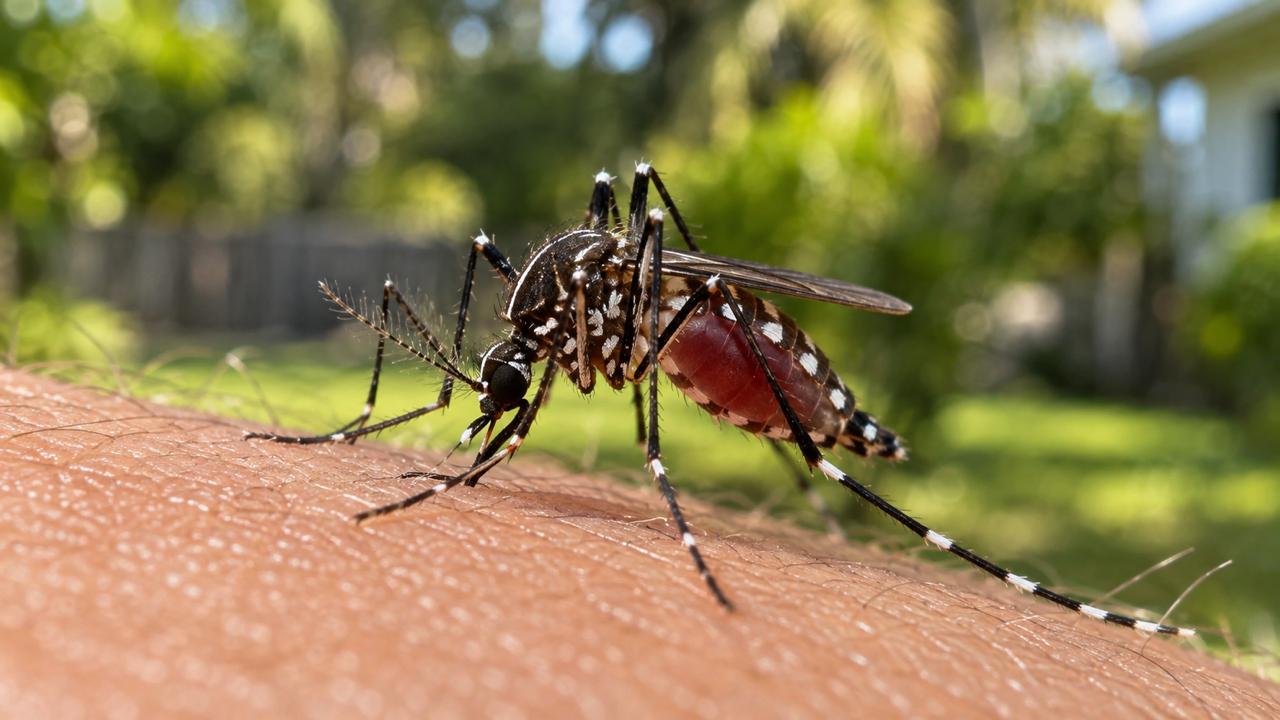
Aedes aegypti, the primary mosquito species responsible for spreading dengue in Florida.
For most Floridians, mosquitoes are just background noise — an annoyance, not a threat. But that familiar backyard pest can also carry viruses capable of causing serious illness, including dengue fever, and 2026 has been a reminder of that.
Dengue has traditionally been thought of as a tropical, "somewhere else" disease. But Florida's climate, heavy international travel, and established populations of Aedes mosquitoes create the exact conditions needed for the virus to occasionally take hold and spread locally — and this year, it has.
Dengue in Florida, by the Numbers
According to the Florida Department of Health's Week 36 Arbovirus Surveillance Report (September 6–12), Florida had logged 152 locally acquired dengue cases across six counties in 2026, plus another 186 travel-associated cases. Forty-one of the locally acquired cases were reported in that single week alone.
By mid-September, Florida had already recorded roughly 2.5 times as many locally acquired cases as it did in all of 2025 — with nearly four months still left in the year.
- 2023: 199 locally acquired cases
- 2024: 93 locally acquired cases
- 2025: 62 locally acquired cases
- 2026 (through Sept. 12): 152 locally acquired cases
The 2026 outbreak has also been geographically lopsided, concentrated almost entirely in one county:
| County | Locally Acquired Cases (2026) |
|---|---|
| Hillsborough | 134 |
| Miami-Dade | 7 |
| Pinellas | 7 |
| Pasco | 2 |
| Orange | 1 |
| Palm Beach | 1 |
Hillsborough County alone accounts for about 88% of the statewide total. State officials also identified 16 dengue-positive mosquito pools there, and on September 18 the Florida DOH in Orange County issued its own mosquito-borne illness alert following additional local activity.
Worth noting: these figures are provisional. Case reporting lags, and mild infections often go undiagnosed entirely — meaning the real number is likely higher than what's officially logged.
What Is Dengue, Exactly?
Dengue is caused by any of four related viruses (DENV-1 through DENV-4), spread through the bite of infected Aedes mosquitoes — primarily Aedes aegypti, though Aedes albopictus ("the Asian tiger mosquito") can transmit it too. Both species live in Florida.
Unlike mosquitoes that mainly bite at dawn and dusk, dengue-carrying mosquitoes bite day and night, which is why round-the-clock protection matters more than the usual "avoid dusk" advice.
Dengue doesn't spread through casual person-to-person contact. The cycle starts when a mosquito bites someone already carrying the virus; that mosquito can then pass it to the next person it bites. This is exactly why travel-associated cases matter locally: someone infected abroad can return to Florida, get bitten by a local mosquito, and unintentionally seed a chain of local transmission.
A Global Backdrop
Florida's uptick is part of a much larger trend. The World Health Organization reported more than 14.6 million dengue cases and over 12,000 deaths worldwide in 2024 — a record high — with the Region of the Americas alone accounting for more than 13 million of those cases. WHO notes dengue is spreading faster than any other communicable disease, as Aedes mosquitoes expand their range and urbanization, travel, and shifting rainfall and temperature patterns reshape transmission.
Florida's steady travel ties to the Caribbean and Latin America keep that global surge relevant at home — hence the 186 travel-associated cases the state logged through mid-September alone.
What Does It Feel Like?
Dengue can initially look like any other viral bug, which is part of what makes it tricky.
The CDC estimates about 1 in 4 infected people actually develop symptoms — most commonly fever, along with headache, pain behind the eyes, and significant muscle, joint, or bone pain (the source of dengue's nickname, "breakbone fever"), plus nausea, vomiting, or rash. Symptoms usually last 2–7 days, and most people recover within about a week.
Most cases stay mild. But roughly 1 in 20 people who get sick develops severe dengue, which can cause internal bleeding, shock, and other life-threatening complications. The dangerous part: warning signs often show up after the fever breaks — typically in the following 24–48 hours. Watch for severe abdominal pain, repeated vomiting, bleeding from the nose or gums, vomiting or passing blood, or extreme fatigue and restlessness — any of these warrants immediate medical attention.
Treatment: Manage It, You Can't Cure It
There's no antiviral medication for dengue. Care focuses on rest, hydration, and symptom management — the CDC recommends fluids and acetaminophen for fever or pain, while steering clear of aspirin and NSAIDs like ibuprofen, which can worsen bleeding risk in a dengue infection. A blood test can confirm the diagnosis, though doctors often start managing suspected cases based on symptoms and travel/exposure history before lab results come back. Anyone who suspects dengue — especially with any warning signs above — should contact a healthcare provider right away.
Prevention Starts in Your Yard
Since mosquito bites are the only way dengue spreads, prevention is mostly about not giving mosquitoes anywhere to breed or bite. The Florida DOH's Drain and Cover approach is a good, simple checklist:
- Drain standing water weekly — flowerpots, buckets, birdbaths, pet bowls, tires, pool covers, gutters
- Cover exposed skin with long sleeves/pants when practical
- Cover windows and doors with intact screens
- Use an EPA-registered insect repellent, applied as directed
It doesn't take much water to matter — health officials note that even a bottle cap's worth of standing water can be enough for mosquitoes to breed. And if you're diagnosed with dengue, keep protecting yourself from bites during the early illness phase — you can pass the virus to a mosquito that bites you, which can then infect someone else.
Awareness, Not Alarm
None of this means avoiding the outdoors or panicking over every mosquito bite — most dengue infections are mild. But the 2026 numbers make one thing clear: dengue in Florida is no longer just a "travel abroad" concern.
The mosquitoes that carry it are already here. Millions of people travel between Florida and dengue-affected regions every year. And when those two facts line up, local transmission follows — as this year has shown.
A few habits — repellent, intact screens, no standing water, and knowing the warning signs — go a long way toward keeping the risk low, for you and your neighbors. In a state where mosquito season can feel like it never really ends, dengue awareness is quietly becoming just another part of everyday Florida life.
Sources & Further Reading
- Florida Department of Health — Weekly Arbovirus Surveillance
- Florida DOH Week 36 Report (Sept. 6–12, 2026)
- Florida DOH — Dengue Fever
- Florida DOH — Mosquito Bite Prevention ("Drain and Cover")
- CDC — Dengue
- CDC — Dengue Symptoms & Testing
- WHO — Dengue and Severe Dengue Fact Sheet
Data current through the FDOH Week 36 surveillance report (Sept. 6–12, 2026). Surveillance figures are preliminary and subject to revision.
← Back to the blogWant more local Tampa Bay updates like this? Join the list — we'll let you know when we go live.
Visit Florida Home Vibes